Overview
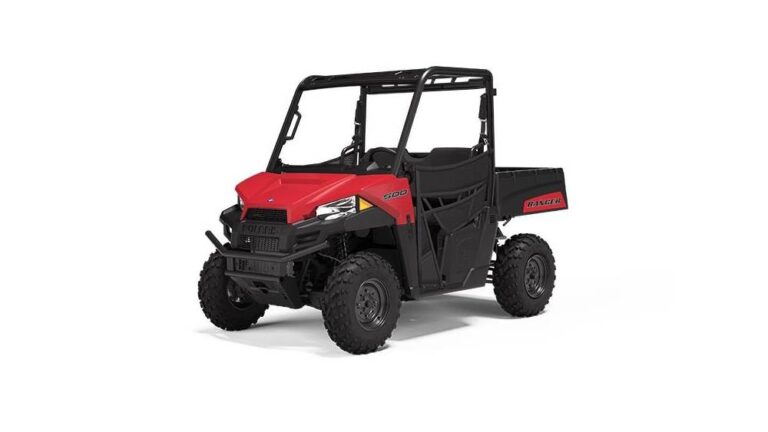
Most utility side-by-sides in the $9,700 range aim to balance work duty with light recreational use, and the 2021 Polaris Ranger 500 fits neatly into this category. Built primarily for small farm tasks, trail work, and weekend chores, it offers a clear-cut approach to utility driving with a focus on dependability. Its 500cc liquid-cooled single-cylinder engine delivers enough power for tasks like hauling supplies or towing light loads without guzzling fuel, making it suitable for owners who need a machine to handle everyday farm routines or property maintenance.
This model emphasizes ease of use and practical features instead of flashy extras, appealing to operators who prioritize reliability and simplicity. The CVT transmission with selectable 4×2 or all-wheel drive provides smooth power delivery over a variety of terrains, from muddy fields to gravel paths. Its suspension setup, with McPherson struts up front and independent double A-arm in the rear, manages rougher ground without sacrificing comfort or control, making it suitable for uneven trail conditions or work sites with minimal fuss.
Designed for those looking for a compact, simple utility vehicle, the Ranger 500’s dimensions and features cater to owners who value practicality over trail-blazing performance. Its 10-inch ground clearance and 73-inch wheelbase help it navigate tighter spaces and uneven terrain, while hydraulic disc brakes ensure reliable stopping power when the load gets heavy or the conditions get rough. Notably, this model stands out in its segment by offering a good balance of work-focused capability and manageable size, making it a reliable partner for daily tasks or weekend adventures on the property.
Performance & Powertrain
Anyone running work tasks or light trail rides will appreciate the 500cc single-cylinder engine in the Polaris Ranger 500. This engine size strikes a balance between enough power to handle moderate loads and terrain without wasting fuel or adding unnecessary weight. The liquid cooling system helps keep engine temperatures in check during long hours of use, whether you’re hauling materials on a farm or navigating uneven forest paths. Fuel injection improves throttle response and keeps the engine running smoothly across a range of conditions, especially in varying temperatures or when the machine is under load.
The 500cc displacement is typical for utility UTVs in this segment. It provides enough torque to get through steep inclines or pull trailers, but not so much that you risk overloading the chassis or burning excessive fuel. Power delivery tends to be predictable-responding promptly when you need to accelerate, yet smooth enough to avoid jerky starts that could unsettle cargo or passengers. This makes it suited for light work, farm chores, and recreational trail riding where responsiveness matters but extreme high-end power isn’t necessary.
The drivetrain configuration includes a continuously variable transmission that offers smooth, stepless acceleration without shifts, which helps maintain steady momentum on varied terrain. The selectable 4X2 or all-wheel-drive system adds flexibility: switch to 4X2 for simpler, more fuel-efficient cruising or engage AWD when tackling mud, snow, or uneven ground. This setup ensures that the power transfer remains efficient and manageable, especially in situations where you need traction without jerky engagement. The overall drivetrain design emphasizes ease of use and durability, making it a practical choice for owners who need reliable performance on a daily basis.
Suspension & Handling
If you’re planning to use the Polaris Ranger 500 for trail riding or work on uneven terrain, you’ll want to know how its suspension setup handles different conditions. The front suspension uses a McPherson Strut system with 9 inches of travel, which helps absorb bumps on hard-packed trails and gives a more controlled ride over rough patches. The rear features independent double A-arms with 10 inches of travel, providing additional comfort and stability when navigating rocky surfaces or loose dirt. This combination is designed to keep the wheels in contact with the ground, improving traction and reducing rider fatigue during long hours on the trail or job site.
Braking performance relies on hydraulic disc brakes at both ends, which deliver reliable stopping power across a variety of terrains. On loose gravel or muddy paths, the disc brakes tend to maintain consistent feel, helping you modulate pressure without unnecessary skidding. Since the front and rear tires are Carlisle 489s, sized at 25 x 8-12 in the front and 25 x 10-12 in the rear, grip will be adequate for most trail conditions and light work tasks. These tires are broad enough to provide stability on uneven ground without sacrificing maneuverability in tighter spots.
Handling on the Polaris Ranger 500 is influenced primarily by its suspension geometry and tire size. The setup strikes a balance between comfort and control, though it’s more suited to moderate terrain rather than aggressive, technical trail riding. On smooth, hard surfaces, the 9 and 10 inches of suspension travel can feel somewhat excessive, but it’s a benefit when moving into rougher sections. The tire choices help maintain good traction and stability whether you’re hauling tools across a worksite or tackling rocky, rutted trails. Regular maintenance of the suspension components and tire pressure will keep this machine responsive and predictable during daily use.
Dimensions & Ergonomics
If you’re planning to transport this machine in a standard pickup bed or need it to navigate tight trails, you’ll want to know its size and rider fit. The Polaris Ranger 500 measures just over 9 feet long at 9.17 inches, making it manageable to fit in most truck beds when properly loaded. Its width of 8 inches offers enough stability for rough terrain without feeling overly wide or cumbersome in tight spots. The height stands at 73 inches, which generally places the roll cage well above the average rider, but shorter operators might find the overall feel somewhat tall when mounting or dismounting.
The wheelbase spans 73 inches, contributing to a stable ride on uneven ground and helping reduce tipping on sloped terrain. Ground clearance of 10 inches means it can handle rocky or root-laden trails without scraping the underside, while still maintaining a reasonable ride height for visibility and ease of maneuvering. The dry weight of 1,065 pounds indicates a fairly substantial build that offers stability but also requires some muscle to move around if you’re doing any work-related towing or loading. With a 9-gallon fuel capacity, you’re looking at decent range for long days on the trail or work site, minimizing stops for refueling.
Ergonomically, seat height is a key factor for rider comfort. While the exact seat height isn’t specified here, machines in this class typically fall between 31 and 34 inches. This height allows most riders to plant their feet firmly on the ground for confidence and control, even on uneven terrain. The overall dimensions and rider fit make this machine accessible for shorter operators but still suitable for taller riders with a comfortable riding position. Its size and weight strike a balance between stability and maneuverability, with enough cargo space to carry tools or gear and a design that accommodates a variety of working or recreational tasks with ease.
Notable Features
What stands out here is the inclusion of a liquid-cooled 500cc single-cylinder engine paired with fuel injection, offering a noticeable upgrade in reliability and responsiveness compared to many base models in this price range. The liquid cooling helps this machine perform steadily during long hours on the trail or workday tasks, preventing overheating in hot conditions.
- Selectable 4X2 or AWD drive modes, giving you control over power distribution depending on terrain conditions
- Continuously Variable Transmission (CVT) that provides smooth acceleration without shifting fuss, ideal for work tasks or trail riding
- Fuel-injected engine that improves starting reliability and fuel efficiency in various weather and altitude conditions
- Standard accessories include a simple but effective cargo rack system for hauling tools or gear
- Ease of maintenance with accessible engine components and a no-frills design
This model’s mix of tech and convenience features focus on making day-to-day use more manageable, especially for those who need a machine that can handle both work and recreation without extra complexity or cost. While it may lack advanced digital gauges or premium accessories, it offers the core features needed to get the job done reliably and comfortably over a range of common tasks and terrains.
Pricing & Value
If you’re planning to tackle farm chores, work around the property, or enjoy weekend trail rides, you’ll want to know that the 2021 Polaris Ranger 500 carries an MSRP of $9,699. This price puts it squarely in the mid-range segment of utility UTVs, targeting buyers who need a dependable workhorse without spending top dollar for premium features or larger engines. For those familiar with Polaris’s lineup, this model sits below the higher-spec Ranger XP models and above entry-level options like the Ranger 500’s direct competitors from other brands.
Compared to the larger and more expensive models, the Ranger 500 offers a balanced package for owners who value simplicity and functionality. It includes basic features that cover most utility needs without the bells and whistles that often drive up costs. This makes it a practical choice for those who want a machine that performs well in moderate work tasks and light trail riding without the hefty price tag associated with higher-end models. The $9,699 price tag reflects a machine designed for day-in, day-out use, rather than for enthusiasts seeking high-performance accessories or luxury touches.
At this price point, the Ranger 500 is fairly priced considering what it delivers. It provides a reliable engine, proven Polaris durability, and a familiar platform that owners can depend on for years of service. While it may not have all the features of the premium models, it strikes a good balance between cost and capability for owners who need a durable work companion that fits into a reasonable budget. When compared to similarly priced competitors from other brands, it holds its own in terms of engine reliability and brand backing, making it a worthwhile value for the typical utility user.
Final Thoughts
What stands out here is the Polaris Ranger 500’s reputation for dependable performance in demanding work settings, especially for those who need a reliable workhorse that doesn’t break the bank. Its 500cc engine offers enough torque to handle common trail conditions and light hauling tasks, making it a practical choice for property owners, farmers, or small business operators who want a machine that gets the job done without fuss.
This machine’s single most defining quality is its no-frills design, which prioritizes ease of maintenance and long-term durability. Owners can expect it to run consistently over years of regular use, provided basic service intervals are maintained. The Ranger 500’s simple layout means fewer things to go wrong, and parts are usually affordable and readily available, which helps keep ownership costs predictable.
However, those expecting a machine that can handle heavy-duty hauling, extreme terrain, or high-speed trail riding should look elsewhere. Its power output and suspension travel are tailored more toward work efficiency than off-road adventure. If your needs are primarily light trail riding or farm chores, the Ranger 500 will serve reliably, but if you require more aggressive capabilities, consider stepping up to a larger model or a different brand that caters to high-performance demands.
For someone in the market for an honest, no-nonsense utility UTV that offers dependable day-in, day-out service, the Polaris Ranger 500 is a smart pick. It hits the sweet spot between price, reliability, and practical usability, making it a worthy contender for anyone prioritizing function over flashy features or extreme off-road prowess.