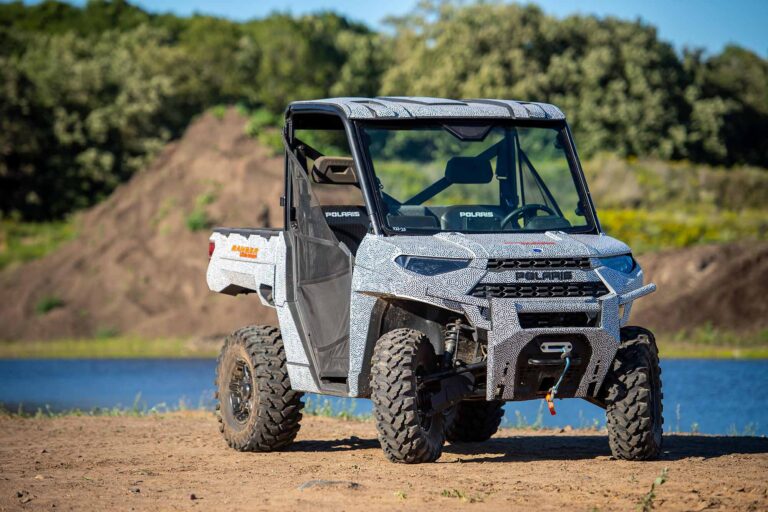
Overview
What stands out here is the move towards electric power in a segment traditionally dominated by gas-powered machines. The 2022 Polaris Ranger EV is designed primarily for work and utility tasks, but it also appeals to riders who prioritize quiet operation and lower emissions. With an electric drivetrain and a direct drive transmission, this machine offers a quiet, low-maintenance experience that’s suited for farm work, property management, or recreational use around sensitive environments.
This model is built for users who need a dependable workhorse that can navigate rough terrain without the noise and fumes of a traditional utility vehicle. It features a practical layout with a 9.17-foot length and a 10-inch ground clearance, making it suitable for varied terrains and loading tasks. The Ranger EV’s EPA-friendly electric engine and selectable 4X2 or all-wheel-drive options give it an edge for those who want to reduce their carbon footprint without sacrificing the ability to handle tough conditions.
Within Polaris’s lineup, the Ranger EV stands out as the brand’s first dedicated electric utility UTV, emphasizing its focus on cleaner, quieter operation. It’s not built for high-speed trail riding or extreme off-road adventures, but rather for dependable, day-to-day utility work. Buyers should consider it if they seek a vehicle that blends practical features with environmental consciousness, though it’s worth noting that its $13,699 price tag reflects the latest in electric vehicle technology-something that might be a consideration for budget-conscious buyers or those looking for more traditional powertrains.
Performance & Powertrain
With an electric motor, the 2022 Polaris Ranger EV produces instant torque, making acceleration smooth and predictable. The absence of a traditional combustion engine means there’s no engine noise, vibrations, or exhaust, which benefits operators working in quieter environments or requiring low emissions. The electric powertrain delivers power directly to the wheels through a simple, maintenance-friendly design that offers consistent performance across a variety of tasks, from hauling gear to light trail work.
The electric motor here is designed for moderate work rather than high-speed performance. Its output is suited for utility tasks that demand steady pulling power and reliability rather than high RPM thrills. The direct drive transmission means there are no gears to shift, resulting in a quieter, more efficient operation that requires less routine maintenance compared to gear-based systems. Riders will notice the immediate throttle response, beneficial when maneuvering in tight spaces or navigating challenging terrain.
The driveline’s selectable 4X2 and all-wheel drive options provide flexibility on the trail or worksite. When engaged, the system automatically distributes torque to the wheels with the most traction, helping to maintain control on slick or uneven surfaces. This setup enhances traction and reduces wheel spin during challenging conditions, though it doesn’t match the raw power of larger gas-powered models. Still, for lighter utility tasks and riding in environments where emissions or noise are concerns, this powertrain offers a practical balance of performance and efficiency.
Suspension & Handling
If you’re planning to navigate a mix of trail, hardpack, and work terrain, you’ll want to know how this machine handles uneven surfaces and loaded conditions. The front suspension uses a McPherson Strut system with 9 inches of travel, which provides a decent balance between comfort and stability when crossing rocky paths or bump-filled trails. The rear suspension features independent double A-arms with 10 inches of travel, allowing for better wheel articulation and control when climbing over obstacles or hauling gear. This setup is designed to absorb impacts without sacrificing ride quality, though it’s more tuned for general trail riding and light work rather than aggressive rock crawling or extreme off-road use.
The braking system includes hydraulic disc brakes on both the front and rear wheels. This choice offers strong stopping power across different terrains, giving riders confidence whether descending steep grades or stopping quickly on loose gravel. Since the brakes are hydraulic, they respond smoothly and require less effort to operate, which is beneficial during extended or demanding rides. For a utility vehicle like this, reliable braking is essential, especially when carrying loads or navigating variable terrain conditions.
The tires mounted on this model are Carlisle All Trail II with dimensions of 25 x 9-12 on both the front and rear. These tires strike a practical balance by providing grip on a variety of surfaces, including dirt, gravel, and hard-packed trails. Their tread pattern offers sufficient traction without being overly aggressive, making them suitable for light trail work and recreational riding. While they won’t handle deep mud or technical off-road terrain as well as specialized tires, they deliver dependable performance on most common outdoor surfaces encountered during utility or recreational use.
Dimensions & Ergonomics
At 9.17 feet long, the Polaris Ranger EV fits comfortably in most standard pickup truck beds, making it easy to transport between work sites or trails. Its 9-inch width provides enough stability without feeling overly broad, and a 73-inch height means it remains manageable for a variety of storage spaces and overhead clearance restrictions.
- Wheelbase of 72 inches offers stability on uneven terrain and improves ride quality.
- Ground clearance of 10 inches helps navigate rough terrain without getting hung up on rocks or debris.
- Dry weight of 1,762 pounds influences hauling and handling, especially when loaded with cargo or passengers.
- Seat height is designed to accommodate a wide range of rider heights, with enough room to stay comfortable during prolonged use.
Ergonomic design focuses on rider comfort, with a seat height that suits shorter and taller riders alike, while the overall dimensions allow for easy maneuvering and stability both on the trail and in tight work environments. Cargo capacity is sufficient for most utility tasks, and the 9.17-foot length combined with an ergonomic cockpit helps ensure control and comfort on longer rides or extended workdays.
Notable Features
What stands out here is the shift toward electric powertrains in a segment historically dominated by gas engines, and Polaris has made some deliberate choices to enhance the user experience with this model. The 2022 Polaris Ranger EV benefits from a simplified powertrain with a direct drive system, eliminating the need for a traditional clutch or gear shifting. Additionally, it offers a selectable 4X2 or all-wheel-drive system, giving users options depending on terrain or workload demands. This isn’t just about emissions; it’s about integrating more convenience and lower maintenance into a workhorse.
- Electric powertrain with no fuel system or oil changes required
- Selectable 4X2 or AWD drive modes for better traction or efficiency
- Quiet operation suitable for noise-sensitive environments
- Built-in regenerative braking to extend range during use
- Enhanced digital display options for monitoring battery status and vehicle metrics
While it may lack the traditional engine features found in gas-powered counterparts, Polaris has focused on user-friendly tech and practical design, making the Ranger EV a compelling choice for those prioritizing low operating costs and a simpler ownership experience. It fits into Polaris’s broader push toward electric utility vehicles that serve both work and recreational purposes while reducing environmental impact.
Pricing & Value
If you’re planning to use a utility side-by-side for work around the property or light hauling, you’ll want to know if the Polaris Ranger EV’s price justifies what it offers compared to other electric UTVs. With an MSRP of $13,699, this model falls into the mid-range of Polaris’s lineup, positioned above entry-level models but not reaching the top-tier trims that add premium features and accessories.
This machine aims to attract buyers who want an electric UTV with practical features for daily tasks without paying a premium for extra amenities or high-performance specs often found on more expensive models. It provides a clean, emission-free experience suitable for farms, ranches, or recreational use where zero emissions matter. The price is competitive within the electric side-by-side segment, but it’s essential to compare what you get here versus models that may offer larger batteries, faster charging, or additional comfort features for similar money.
In Polaris’s lineup, the Ranger EV sits above the base models that use gas engines, and below the premium trims that come with more advanced tech, larger cargo beds, or enhanced comfort options. Moving up to a higher trim could add features like upgraded lighting, more sophisticated dashboards, or bigger batteries, which justify a higher price point. Conversely, stepping down to simpler or older models may offer lower prices but sacrifice some of the efficiency and low-maintenance benefits of the electric powertrain.
At its current price, the Ranger EV represents fair value if electric operation and lower running costs are priorities. It isn’t a bargain bin option but offers a balanced package for those who want quiet, emissions-free work or recreation without overspending on unnecessary features. Buyers should evaluate how much they value the benefits of electric technology versus the cost premium and compare it directly with other electric or small-displacement gas-powered UTVs to determine if this machine makes sense for their needs.
Final Thoughts
Anyone running farm chores or managing outdoor work will appreciate the Polaris Ranger EV’s quiet, emissions-free operation, which makes it suitable for use in noise-sensitive environments or areas with emission restrictions. Its electric powertrain offers near-silent operation and reduces fuel costs, making it a smart choice for those seeking low-maintenance, eco-friendly utility vehicles.
What sets this model apart is the electric motor’s instant torque delivery, providing strong pulling power for hauling and towing tasks without the need for a gas engine. However, the trade-off is the limited range per charge, which may require careful planning on larger properties or jobs that demand all-day use without access to charging stations. This machine’s simplicity and quiet operation make it ideal for users who prioritize low running costs and ease of use over long-distance endurance.
Designed primarily for property owners, light-duty farm work, or eco-conscious operators, the Polaris Ranger EV is a practical tool that delivers reliable utility with minimal fuss. It’s not suited for heavy-duty hauling over long distances or for users who need a vehicle built to tackle rugged, extended off-road adventures. For those who fit the profile, this machine offers a simple, environmentally friendly option that gets the job done without the noise and fumes of traditional gas-powered UTVs.